Trump's Iran Ceasefires: Navigating De-escalation Amidst Nuclear Tensions
In a period marked by heightened tensions and the specter of widespread conflict, former US President Donald Trump’s administration became synonymous with a distinctive, often unpredictable, approach to foreign policy. Among the most dramatic moments were a series of last-minute de-escalations with Iran, notably characterized by what can be termed "trump iran ceasefire" announcements. These interventions, often communicated directly via social media, aimed to halt escalating hostilities, cooling hot zones and averting potentially catastrophic wars in the Middle East, even as the contentious debate over Iran's nuclear program loomed large.
De-escalating the 12-Day Conflict: The Iran-Israel Ceasefire
The Middle East, a crucible of geopolitical rivalries, once again teetered on the brink during a fierce 12-day confrontation between Iran and Israel. The hostilities commenced with Israel launching a significant operation, citing concerns over Tehran's alleged clandestine military nuclear program. Iran swiftly retaliated with "Operation True Promise 3," striking targets within Israel. The conflict escalated further when the United States joined Israel's campaign, striking three Iranian nuclear sites in Natanz, Fordow, and Isfahan. Iran responded by launching a missile strike on the US' Al Udeid Air Base in Qatar, demonstrating the perilous tit-for-tat nature of the conflict.
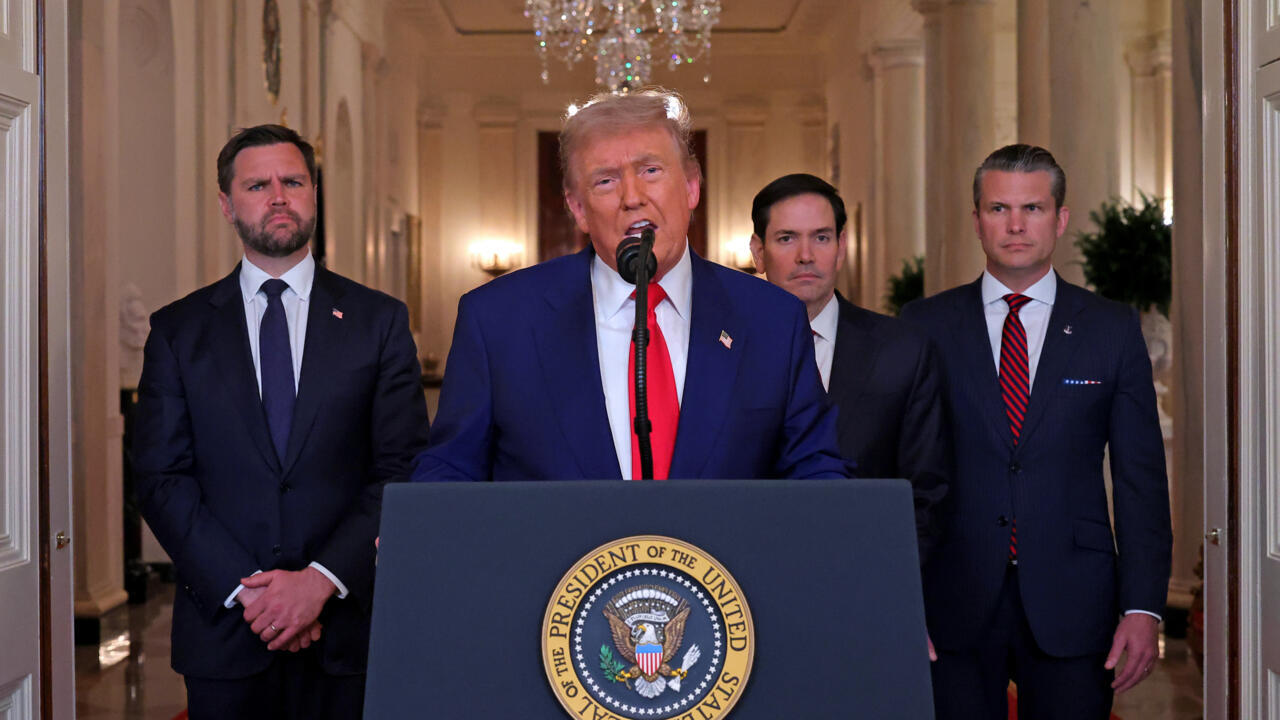
Amidst this rapid escalation, former President Trump took to his social media platform, Truth Social, to announce a "complete and total ceasefire" between Iran and Israel. His message, broadcast to the world, declared an end to the "12-day war," setting out a precise, staggered timeline for the cessation of hostilities from both sides. Trump lauded both nations for their "stamina, courage and intelligence" in agreeing to end a conflict he warned could have "destroyed the entire Middle East." This swift, publicly announced de-escalation underscored a unique facet of Trump's diplomatic style: direct, high-stakes communication aimed at immediate conflict resolution.
Crucially, this period of intense military activity was shadowed by the persistent debate over Iran's nuclear ambitions. While Israel and the US expressed grave concerns, international bodies and US intelligence offered a contrasting view. The International Atomic Energy Agency (IAEA) Director General Rafael Grossi, along with US intelligence assessments, indicated no concrete evidence of Iran actively pursuing a military nuclear weapons program. This disconnect between accusations and verified intelligence adds a complex layer to understanding the region's volatility, suggesting that perceptions and political rhetoric can sometimes drive conflict as much as, if not more than, verified facts. For a deeper dive into this specific event, read our related article: Trump Declares 'Total Ceasefire' Ending Iran-Israel 12-Day War.
Averted Crisis: The Strait of Hormuz Ceasefire
Another critical juncture arrived when former President Trump issued a stark ultimatum to Iran, threatening a devastating bombing campaign if Tehran failed to comply with his demands. His public warning, indicating that "a whole civilization will die tonight," created an atmosphere of extreme global anxiety, pushing the region to the brink of a full-scale war.
However, mere hours before the planned military action, Trump again reversed course, announcing a two-week suspension of the bombing via Truth Social. This dramatic turnaround was largely attributed to the last-minute diplomatic intervention by Pakistan. Prime Minister Shehbaz Sharif and Field Marshal Asim Munir played a pivotal role, mediating a settlement that saw Trump agree to suspend the attack. The primary condition for this "trump iran ceasefire" was Iran's commitment to the "COMPLETE, IMMEDIATE, and SAFE OPENING of the Strait of Hormuz."
The Strait of Hormuz, a narrow waterway between the Persian Gulf and the Gulf of Oman, is one of the world's most strategically important choke points for oil and gas shipments. Its closure would have catastrophic implications for global energy markets and international trade. Iran's Minister of Foreign Affairs, Abbas Araghchi, swiftly confirmed the tentative agreement, stating that Iran's "Powerful Armed Forces" would cease defensive operations if attacks against Iran were halted, and safe passage through the Strait would be ensured for the two-week period. This episode highlighted the immense value of third-party mediation in diffusing rapidly escalating crises, preventing what could have been a devastating regional conflict with global repercussions. To understand Pakistan's crucial role, explore our article: Pakistan's Role: Trump's Iran Ceasefire & Strait of Hormuz Reopening.
The Shadow of the Nuclear Program: A Persistent Dilemma
While the "trump iran ceasefire" initiatives successfully de-escalated immediate military conflicts, the underlying tension surrounding Iran's nuclear program remained a constant and volatile factor. Israel's initial offensive in the 12-day war was explicitly launched under the premise of dismantling a secret Iranian military nuclear program, an accusation that subsequently triggered US strikes on Iranian nuclear facilities. This illustrates how the mere suspicion of nuclear ambitions can fuel aggressive military action.
However, the global community and intelligence agencies often present a nuanced picture. Both the IAEA and US intelligence repeatedly stated their lack of concrete evidence regarding an active Iranian nuclear weapons program. This significant divergence between political accusations and expert assessments presents a persistent dilemma for international diplomacy:
- The Challenge of Verification: Proving a negative (that Iran does *not* have a weapons program) is inherently difficult. Meanwhile, Iran's legitimate civilian nuclear activities, such as uranium enrichment for energy, can easily be misinterpreted or intentionally framed as dual-use for weapons development.
- Geopolitical Leverage: Accusations of nuclear proliferation can serve as a powerful tool for geopolitical leverage, rallying international support for sanctions or military action, irrespective of definitive proof.
- Trust Deficit: The long history of animosity between Iran and its regional adversaries, coupled with a lack of robust trust-building mechanisms, means that any Iranian nuclear development, even for peaceful purposes, is viewed with extreme suspicion.
Effectively addressing this persistent dilemma requires more than just ceasefires; it demands sustained diplomatic efforts, transparent verification protocols from bodies like the IAEA, and a commitment from all parties to de-escalate rhetoric and foster mutual understanding. Without a resolution to this fundamental debate, regional stability will always remain precarious.
Implications and Long-Term Outlook
The instances of "trump iran ceasefire" demonstrate a unique, albeit high-risk, approach to international crisis management. Trump's direct communication style, often bypassing traditional diplomatic channels, allowed for rapid, if sometimes dramatic, de-escalation. His use of social media to announce ceasefires highlighted a novel way of engaging directly with adversaries and the global public, creating immediate pressure and expectation for peace.
Key Takeaways from these Ceasefires:
- Brinkmanship as Strategy: The approach often involved pushing situations to the very edge of conflict before a last-minute reversal, raising questions about its sustainability and the potential for miscalculation.
- The Power of Mediation: Pakistan's successful intervention underscores the critical role that neutral third parties can play in opening dialogue and brokering agreements when direct communication channels are strained.
- Economic Levers: The condition of reopening the Strait of Hormuz illustrates how economic concerns and vital trade routes can serve as powerful incentives for de-escalation.
- The Enduring Nuclear Question: Despite immediate ceasefires, the underlying suspicions and accusations regarding Iran's nuclear program remain a potent source of instability, requiring ongoing international attention.
Looking ahead, the volatile nature of the Middle East means that managing conflicts with Iran will continue to be a paramount challenge for US foreign policy. While the "trump iran ceasefire" moments offered temporary reprieves, they did not resolve the deeper issues. Future strategies will need to balance the need for deterrence with robust diplomatic engagement, seeking pathways for de-escalation that are not solely reliant on high-stakes, last-minute interventions. The importance of international law, verifiable agreements, and consistent communication cannot be overstated in navigating the complex web of regional rivalries and nuclear proliferation concerns.
Conclusion
The episodes of "trump iran ceasefire" stand as remarkable instances of de-escalation during a period of intense geopolitical friction. From halting a 12-day Iran-Israel war to averting a direct US bombing campaign over the Strait of Hormuz, these interventions showcased a distinct approach to crisis management. While successful in cooling immediate hostilities, they also underscored the persistent and complex challenges posed by Iran's nuclear program and regional power dynamics. The legacy of these ceasefires is a testament to the precarious balance between brinkmanship and diplomacy, reminding the world that while immediate conflicts can be paused, lasting peace requires sustained effort, transparent dialogue, and a genuine commitment to addressing underlying grievances.